Material Innovation: The MycoBlox and BIBO Panels
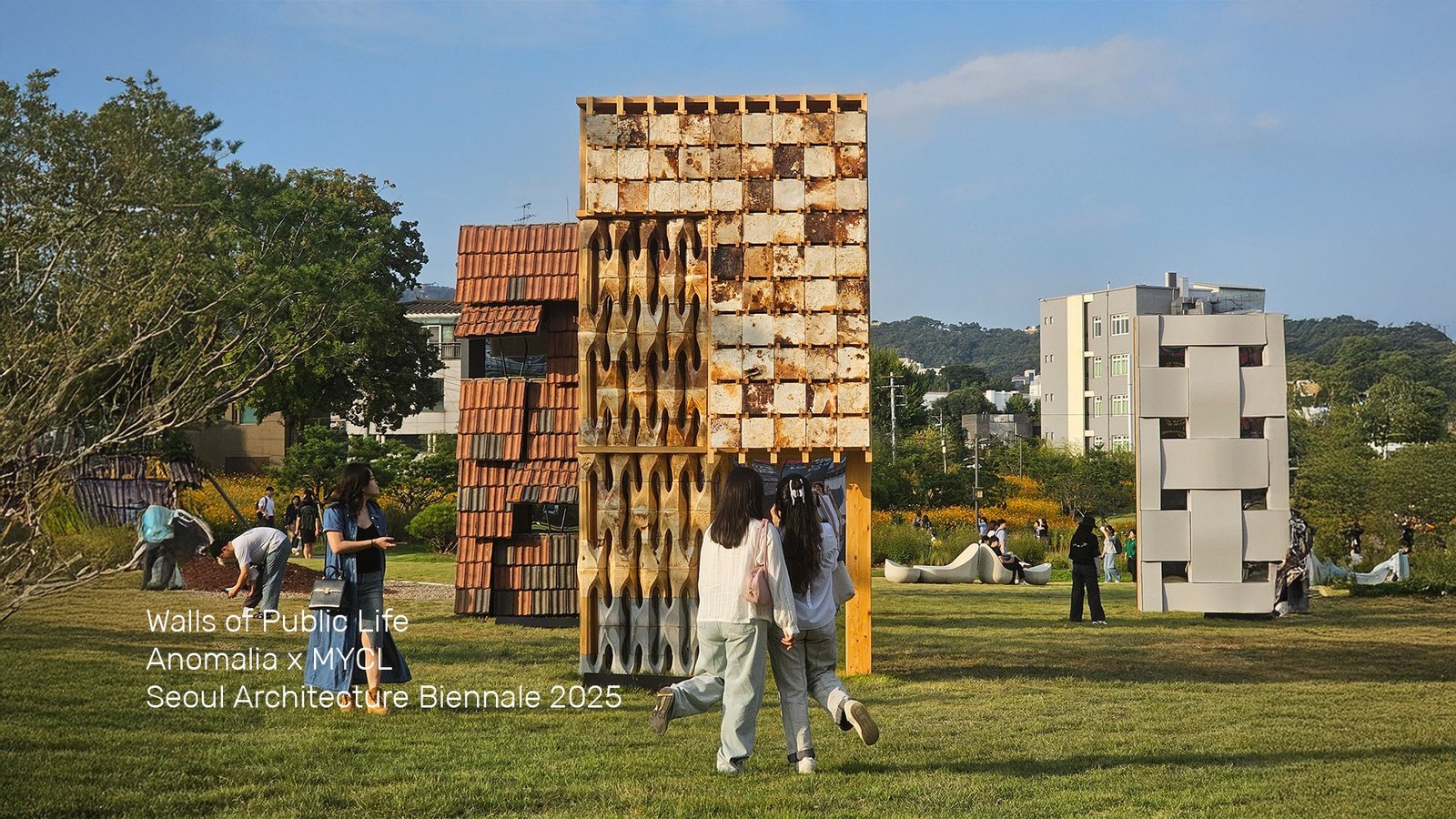
The “Wall of Public Life” is a hybrid assembly featuring two of MYCL’s core innovations:
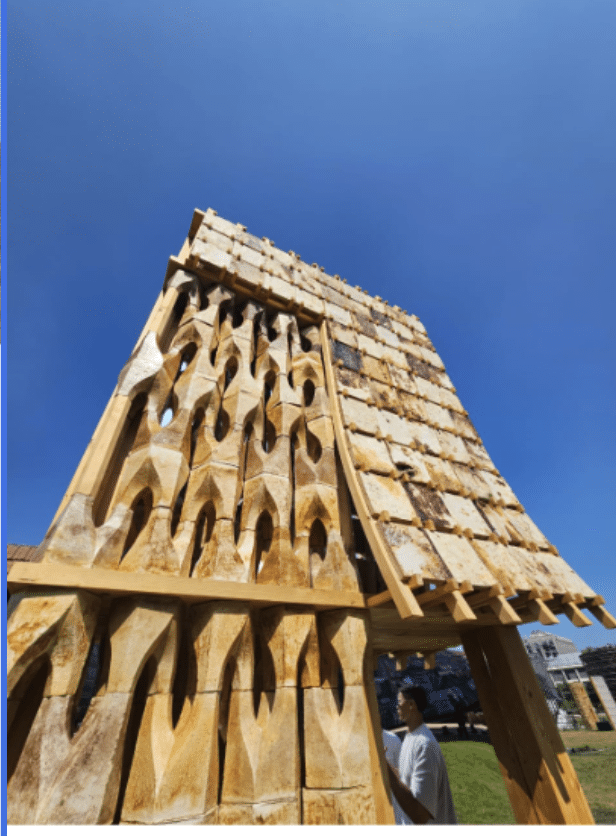
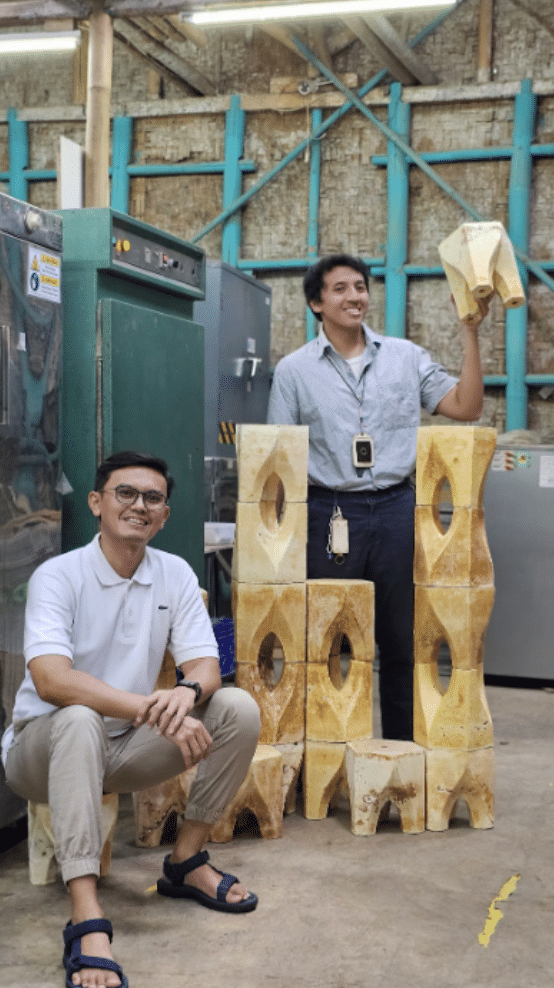
MycoBlox: 3D modular blocks that provide structural depth and organic texture.
BIBO Panels: Square mycelium panels that offer a sleek, breathable surface.
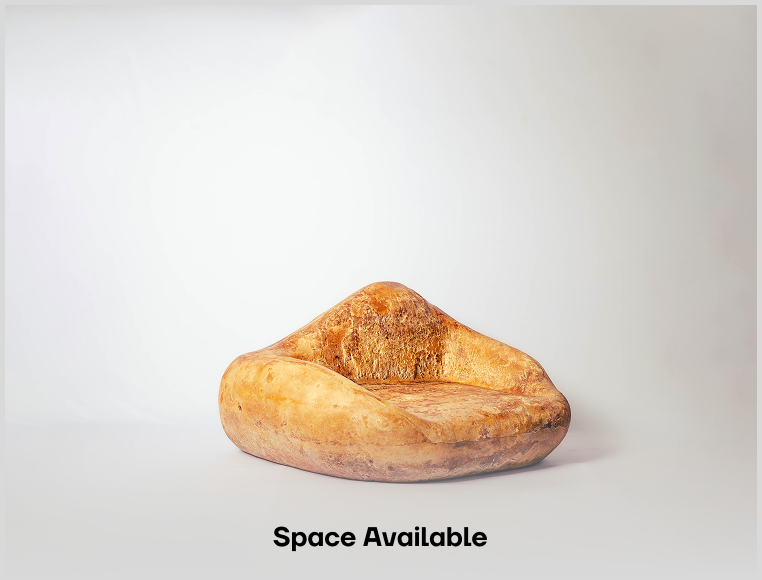
These bio-based materials are lightweight, carbon-negative, and fully compostable. Instead of contributing to the massive carbon footprint of concrete and steel, this installation sequestered carbon during its growth and will eventually return to the earth as nutrients at the end of its lifecycle.
A Porous, Sensorial Interface
Following Thomas Heatherwick’s theme of “Radically More Human,” our wall invites interaction. Unlike traditional facades that prioritize isolation, this mycelium wall is porous. It allows light, air, and curiosity to pass through, creating a sensorial surface that feels warm to the touch and visually complex to the eye.
It asks a fundamental question for the future of our cities: Can our buildings feel more like skin and less like stone?
Impact by the Numbers
By repurposing agricultural waste into high-performance architectural elements, the project continues MYCL’s mission to scale regenerative materials for the global market.
Circular Design: The installation uses a modular wooden framework for easy disassembly.
Zero Waste: Every mycelium component is 100% biodegradable.
Global-Local Vision: Bringing the innovation of the Global South to one of the world’s most advanced architectural stages.
Exhibited at Songhyeon Green Plaza from September 26 to November 18, 2025.
Team & Collaborators
Design and Concept:
Anomalia (India)
Bhakti V Loonawat
Suyash Sawant
Material Research & Production:
MYCL (Indonesia)
Ronaldiaz Hartantyo
Robbi Zidna Ilman
Rizqi Paradila Akbarianti
M Yusuf Nurhadi
Supported by:
Seoul Metropolitan Government, Thomas Heatherwick Studio, Tumurun Museum, P4G