Growing the Future: The MycoMuseum at the 19th International Architecture Exhibition – La Biennale di Venezia 2025 / Material Innovation
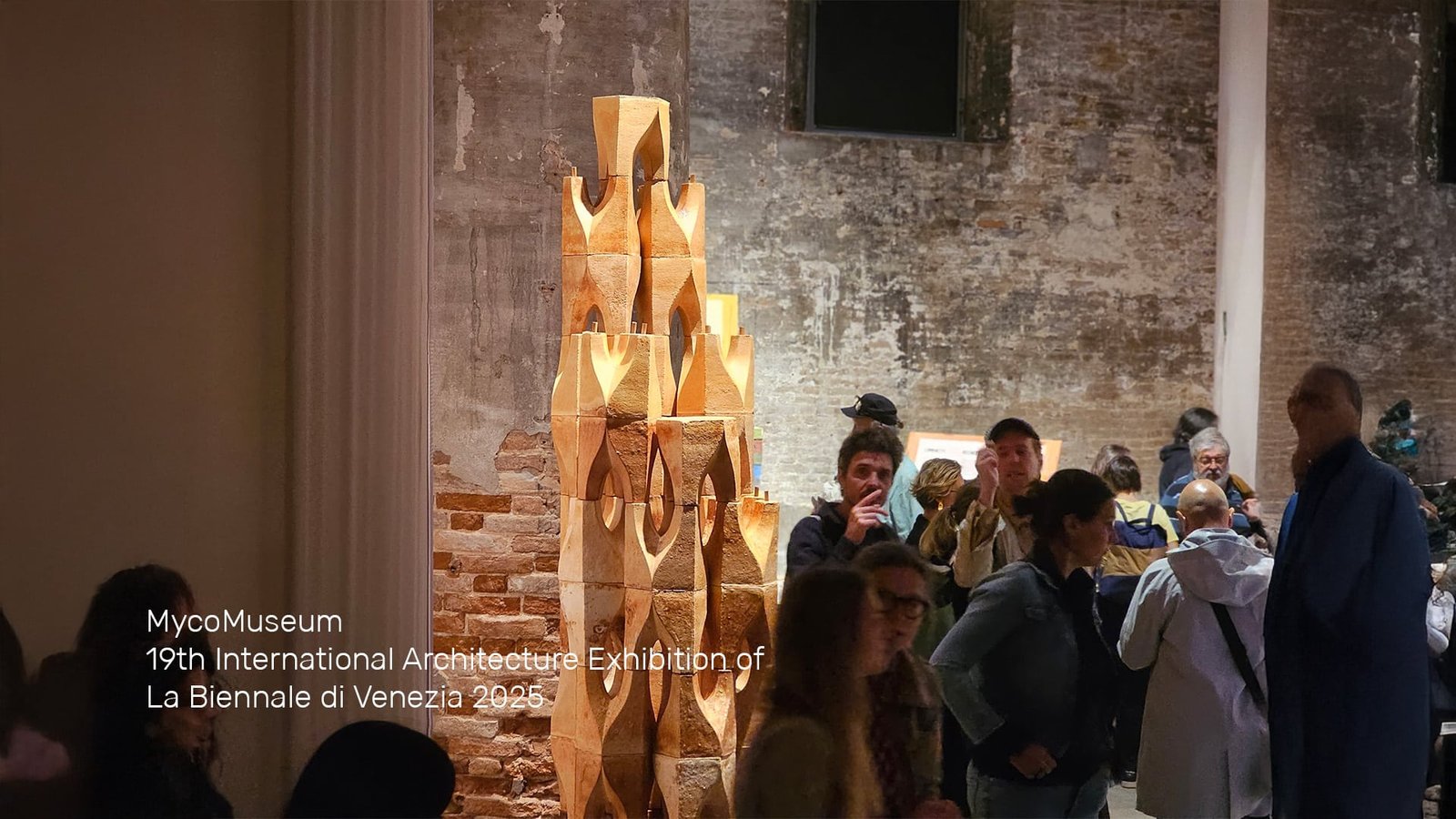
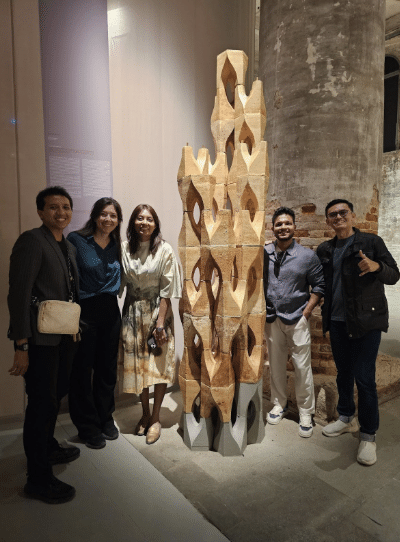
At the Arsenale in Venice, a new kind of architecture is taking root. MYCL, in collaboration with Anomalia (India), is proud to present the MycoMuseum at the 19th International Architecture Exhibition of La Biennale di Venezia.
Selected through the Space for Ideas Open Call, the MycoMuseum is a centerpiece of the Material Bank: Matters Make Sense exhibition, curated by Professor Ingrid Maria Paoletti under the overarching theme of the Biennale: Intelligens. Natural. Artificial. Collective., led by Carlo Ratti.
A Radical Proposal: Buildings Grown, Not Built
In an era defined by the Anthropocene, the MycoMuseum offers a provocative response to the planet’s ecological limits. It is an experimental, cross-disciplinary installation that challenges the extractive nature of traditional construction.
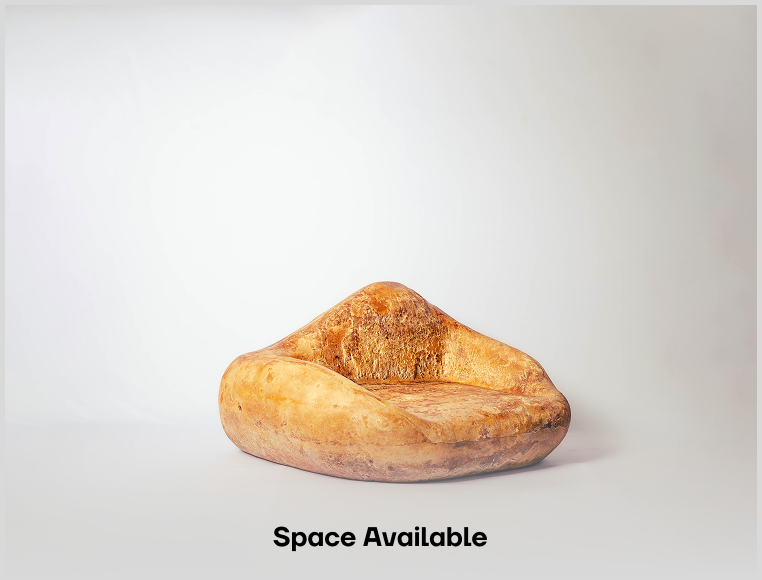
At the heart of the pavilion are the MycoBlox—25x25x25 cm modular units grown from mushroom mycelium and agricultural waste. Developed and produced by MYCL in Indonesia, these blocks represent a shift from industrial rigidity to organic adaptability. Each unit is not just a building component; it is a carbon-sequestering, biodegradable organism.
The Global South on the World Stage
This collaboration marks a significant moment for the architectural landscape of Southeast Asia and India. In a Biennale where neither Indonesia nor India has a national pavilion, the MycoMuseum stands as a powerful representative of the Global South.
It underscores a decentralized, community-driven production ethos. By leveraging MYCL’s biotechnology and Anomalia’s design research, we are proving that high-performance, regenerative materials can be produced outside of traditional mass-manufacturing hubs.
Research Trajectories & Circularity
The MycoMuseum unfolds across four distinct research pillars:
Natural Behavior: Observing the growth patterns of mycelium.
Structural Validation: Scientific testing for load-bearing capacity.
Form & Modularity: Designing for scalability and assembly.
Material Circularity: Ensuring a “cradle-to-cradle” lifecycle.
The installation utilizes dowel joinery for easy disassembly, adhering to the Circularity Manifesto. It is a hybrid structure—mycelium units integrated with concrete—reflecting the transition from our heavy, industrial past to a lighter, bio-integrated future.
Impact & Regeneration
The MycoMuseum is a testament to the power of upcycling. By repurposing 142 kg of agro-waste, the project prevented 522 kgCO₂-e emissions from crop burning and sequestered 50.2 kgCO₂-e of carbon. Despite weighing only 1.6 kg, each MycoBlox can withstand a staggering 1.55 tons of compressive force, proving that “soft” materials can possess immense strength.
A Vision for the Living City
The exhibit invites visitors to imagine a future where innovation is measured not by how much we consume, but by how much we regenerate. As a platform for architects, biotechnologists, and policymakers, the MycoMuseum asks a fundamental question:
“What if our buildings could breathe, grow, and eventually return to the earth?”
Exhibited at the Arsenale, Venice, from May 10 to November 23, 2025.
The Team
Research & Production:
MYCL (Indonesia)
– Ronaldiaz Hartantyo
– Robbi Zidna Ilman
– Rizqi Paradila Akbarianti
– M Yusuf Nurhadi
Design & Research:
– Anomalia (India)
– Bhakti V Loonawat
– Suyash Sawant
Supported by:
Tumurun Museum, P4G, Tata Metal, Godrej Design Lab, HYBEC, and Namrata Foundation.
Take a deep insight into Mylea™ and discover how this specific material is the answer for the future. We believe that to walk toward the future, responsibility is the key.️